
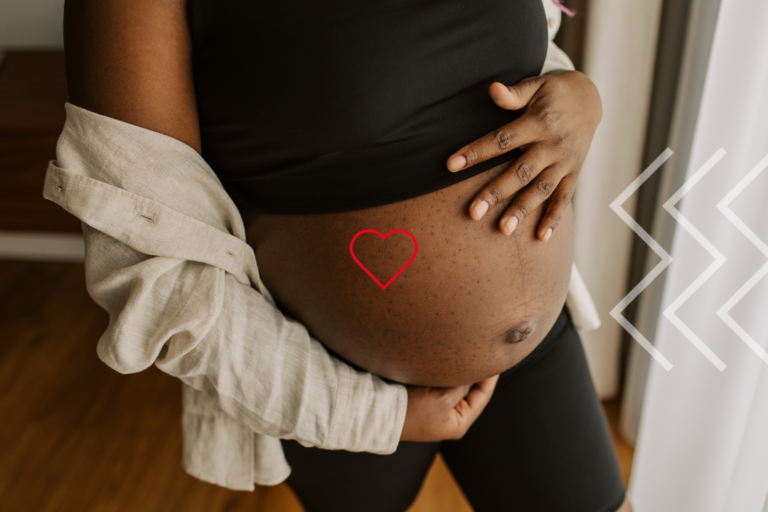
HIV, pregnancy and breast feeding
Page last reviewed 21.9.2026
Can a person living with HIV have children?
HIV does not stop a person living with HIV from having children or a family. People living with HIV have the same rights to start a family as everyone else.
If a person living with HIV is planning pregnancy, they should consult their doctor well beforehand. HIV medication for people of reproductive age should always be planned considering the possibility of pregnancy.
When the person is on working HIV medication, they cannot transmit HIV. It’s possible for people living with HIV to conceive either through intercourse or fertility treatment.
If you’re trying to conceive through intercourse and the person with a penis has HIV and the person with a vagina is HIV negative, the person with a vagina can consider taking preventive HIV medication (PrEP). Many couples still choose to conceive without preventive medication. The doctor in charge of the HIV treatment should evaluate the need for this.
If you do not get pregnant within one year of trying to conceive through intercourse, you should consult the doctor responsible for your HIV treatment or a gynecologist to start fertility treatments. A person living with HIV can receive fertility treatment in Finland.
How does HIV affect pregnancy?
HIV infection should not affect your pregnancy and pregnancy should not affect the development of your HIV infection. Also for pregnant people living with HIV, the monitoring of the pregnancy is done in maternity health clinics, just like for all other expecting people.
If the person who is pregnant is not on working medication, HIV can be transmitted from the mother to the fetus at any point of pregnancy. The biggest risk for transmission is in the end of pregnancy and during labor. HIV can also be transmitted through breastfeeding. The virus levels of the the birthing person during labor are key to predicting the risk of transmission from the birthing person to the child. This is why it is crucial to test for HIV and treat the infection during the pregnancy.
The infant´s risk of getting the HIV infection from a pregnant person who is taking their medication regularly is less than 1 %. Without the medication the risk for transmission is high, between 15-40 %. This means that if the pregnant person is on working medication, it is very likely that the child will be born healthy. In Finland, there here have been around 500 children born healthy without HIV infection to an HIV positive parent in Finland.
Can I breastfeed?
Guidelines related to HIV and breastfeeding vary between countries, and there are still several open questions, with limited research evidence available. Women Against Viruses in Europe (WAVE) has compiled European recommendations on HIV and breastfeeding to provide both healthcare professionals and people living with HIV with better information to support decision-making about breastfeeding.
Read more about the European guidelines (WAVE) >>
In mainly high-income countries where HIV treatment is widely available, treatment outcomes are good, and people living with HIV have an undetectable viral load, infant formula is recommended as the primary source of nutrition for infants born to people living with HIV.
However, an increasing number of countries also provide recommendations to support parents who decide to breastfeed when certain criteria are met. These guidelines require the parent living with HIV to have an undetectable viral load, good adherence to HIV treatment, and regular monitoring throughout the breastfeeding period. For example, in the United Kingdom (BHIVA 2023), breastfeeding is considered a possible option if the breastfeeding parent’s viral load remains consistently low (below 50 copies/ml) and close monitoring is provided. Read more about the UK guidelines >>
Recommendations regarding the need for and timing of PrEP/PEP medication for infants vary between countries. Some European countries consider it unnecessary if the breastfeeding parent has a low viral load. In some countries, preventive medication is recommended throughout the breastfeeding period. Guidelines also vary regarding the duration of breastfeeding and mixed feeding. Some countries consider mixed feeding (breastfeeding and formula/solid foods) to be a risk factor for HIV transmission during breastfeeding. Frequent viral load monitoring is considered essential in all countries to detect any possible transmission at an early stage.
In Finland, breastfeeding is assessed on an individual basis during pregnancy and after childbirth. The decision is made jointly by the expectant parent and the treating physician, taking into account the viral load, adherence to HIV treatment, and monitoring of the child’s health. In Finland, formula feeding is often considered a good alternative, as it carries no risk of HIV transmission. However, it is important that parents receive support when making decisions related to breastfeeding.
Feel free to openly discuss any questions or thoughts regarding breastfeeding with your healthcare provider. Options should be discussed together, taking your family´s situation into account.
Pregnancy care and childbirth for people living with HIV do not nowadays differ significantly from routine care. However, their safe management requires cooperation between the maternity clinic, the maternity hospital, the infectious diseases clinic, and the pregnant person. With current treatment, the risk of HIV transmission from a pregnant person to their child can be considered very low. However, precise figures on HIV transmission during breastfeeding are not available.
Early interaction with your baby is important!
Breastfeeding is an important, but also sensitive, topic for many expectant parents. It is important to discuss breastfeeding both between parents and with healthcare professionals. Breastfeeding has many health benefits and strengthens the bond between the baby and the parent, but attachment also develops through responsive bottle-feeding. Breastfeeding is not possible for all parents, and there can be many reasons for this. The bond between a parent and their baby is built through all forms of early interaction. Early interaction includes everything that a baby and parent do together, such as caring for the baby, feeding, spending time together, and playing. At the heart of this interaction are gentle eye contact, talking to the baby, and gentle touch. Holding the baby close to the parent’s skin helps the baby feel safe and secure.
At the maternity clinic, it is a good idea to discuss any questions about breastfeeding, caring for the baby, and positive interaction.